YOUR BRAND OUR EXPERTISE
SZX CUSTOMIZED SPORTING SOLUTIONS
YOUR BRAND OUR EXPERTISE
SZX CUSTOMIZED SPORTING SOLUTIONS
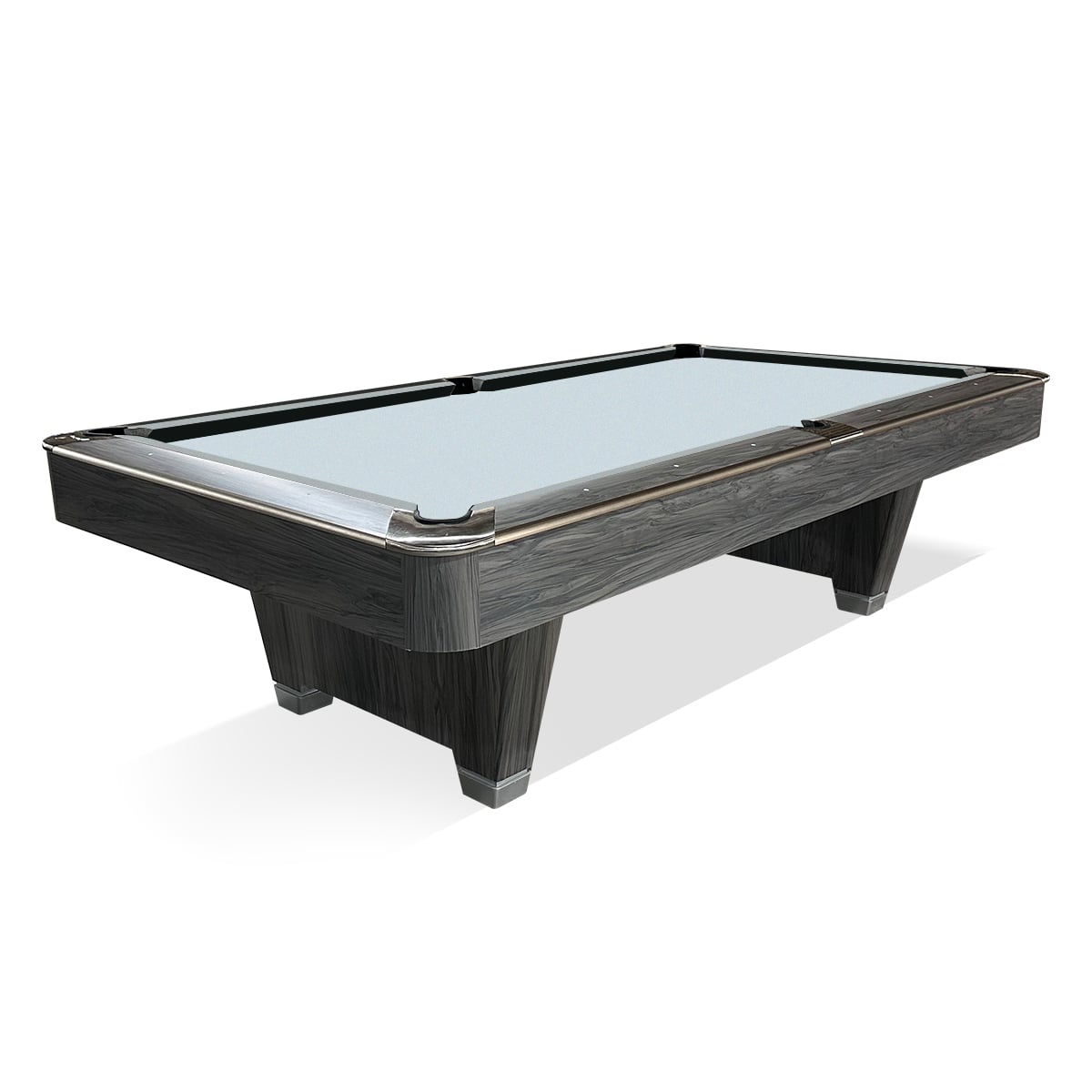
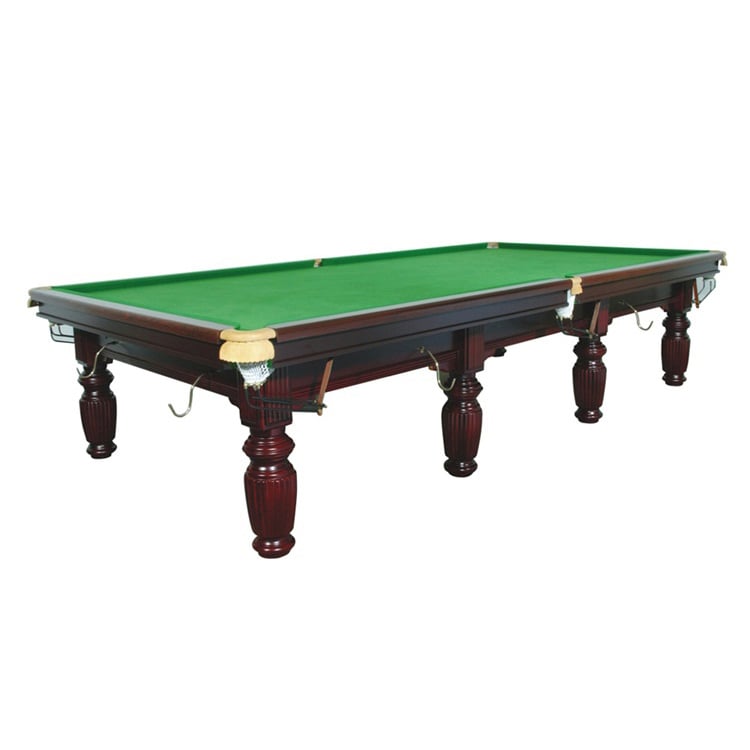
Selecting an outdoor billiard table for snowy climates demands materials engineered to withstand sub-zero temperatures, freeze-thaw cycles, and moisture exposure. Unlike indoor counterparts, these tables integrate specialized components that maintain structural integrity and playability in extreme cold.
Old fashioned slate tends to warp when exposed to heat changes, which is why many are turning to newer options these days. Synthetic slate looks just like the real thing when it comes to how balls bounce and roll across surfaces, plus it doesn't expand much when temperatures fluctuate. Another good choice is fiberglass reinforced polymer, or FRP for short. These composite materials handle cracks better because they have layers that let them contract naturally without losing their flat shape. What matters most is keeping surfaces stable even at really cold temps around minus 20 degrees Celsius (that's about minus 4 Fahrenheit). At this point, both synthetic slate and FRP still perform reliably so balls roll true and surfaces stay dimensionally correct over time.
| Surface Material | Thermal Expansion Rate | Cold-Weather Advantage |
|---|---|---|
| Synthetic Slate | 0.001% per 10°C drop | Minimal dimensional change |
| FRP Composite | 0.0008% per 10°C drop | Micro-flexibility prevents cracking |
Cold and wet conditions really speed up corrosion problems, particularly around roads treated with salt during winter months. Grade 316 stainless steel fasteners stand up better against those pesky pits and damage from chlorides compared to other materials. Marine grade aluminum frames also perform well in freezing weather since they stay flexible when temperatures drop, something regular steel just can't handle once it gets below about -10 degrees Celsius. Standard steel tends to get brittle in these conditions. When it comes to protecting surfaces, anodizing aluminum makes a big difference. The process significantly increases how hard the surface is and stops oxidation from happening. Hardware coated this way typically lasts much longer than 15 years even in areas that see heavy snowfall throughout the year according to field tests by manufacturers working in northern climates.
Compression gaskets placed at every structural joint help stop moisture from getting inside, which prevents those annoying ice jacking problems when temperatures go up and down. For playing surfaces, they actually use special fabrics that push water away. These cloths have really tight weaves, something like under half a millimeter between the threads, and then they get coated with these tiny layer treatments that make water just roll off. Tests show this stuff cuts down on ice sticking by about 70 percent compared to regular old felt materials. The result? Snow can be cleared safely without damaging the fibers underneath, and the surface stays consistent and lasts longer over time. Most people don't even notice the difference but maintenance crews definitely appreciate it after winter storms.
Winter demands specialized engineering beyond standard weatherproofing. For reliable outdoor billiard table performance in snowy conditions, these innovations address unique challenges like ice accumulation and structural stress from repeated freezing and thawing.
When wood soaks up moisture, it can actually expand by around 3 percent when temps drop below freezing, then shrinks again as things thaw out. This back and forth leads to all sorts of problems like warped surfaces, off-center pockets, and general shape distortion over time. That's where composite stuff comes in handy. Materials made from fiberglass mixed with resin don't have these issues because they won't let water seep through at all. Plus, they barely expand or contract with temperature changes, keeping structures stable throughout winter and spring cycles. For anyone looking to install something permanently outdoors where snow falls heavily, composites really are the best bet most of the time. Sure, there might be cheaper options upfront, but the long term savings from avoiding constant repairs makes composites worth considering seriously.
Effective snow handling combines three interdependent features:
Together, these features mitigate structural strain from snow load and eliminate ice bonding that compromises both safety and play quality.
Real all weather performance doesn't come from vague marketing buzzwords like "weather resistant." It demands serious engineering that meets strict standards. For frames, we need materials that stand up to harsh conditions over time. Marine grade aluminum works great, or alternatively, powder coated stainless steel that won't rust away. The playing surface matters too. Waterproof composite materials are essential here. Wood and MDF just don't cut it because they tend to swell and fall apart once they get wet. UV stabilized polymer fabric is another key component. This stuff fights off fading colors, keeps water out, and maintains structural integrity even after being hit by rain, snow, or sitting in direct sunlight for days on end. At every joint, silicone based gaskets create tight seals that stop water from getting inside where it can cause damage during freezing temperatures. Tables built to these specs will keep performing reliably throughout extreme weather changes, whether dealing with sudden humidity jumps, intense UV rays, or months of below freezing temperatures.
Getting the right cover matters a lot when it comes to keeping things working well through winter. Good breathable covers have special fabrics that stop snow from getting in but let any moisture that builds up inside actually escape. This helps prevent mold problems and stops water damage from happening when temperatures go up and down. For insulated enclosures, they usually have reflective materials inside that help keep surfaces at stable temperatures. Still, these need proper air vents put in the right spots so condensation doesn't just collect and cause issues later on.
| Feature | Breathable Membranes | Insulated Enclosures |
|---|---|---|
| Moisture Control | Passive evaporation | Requires active ventilation |
| Thermal Regulation | Moderate | High (retains heat) |
| Ideal Climate | Humid/snow-heavy regions | Extreme cold (–20°F/–29°C+) |
| Maintenance | Low (self-regulating) | Medium (ventilation checks) |
Snowy regions across the country need different solutions depending on where they are. Places like the Upper Midwest, Rocky Mountains, and Northeast generally work best with breathable membranes that handle meltwater runoff without damaging surfaces over time. Up north in really cold spots or at higher altitudes though, folks tend to go for insulated covers paired with forced air systems to keep things from freezing solid. No matter what kind of cover someone has installed, it's pretty important to get rid of snow buildup within about six hours. Grab those soft bristle brushes instead of anything harsher because leaving snow too long can compress fabrics, mess up fiber structures, and trap moisture which leads to all sorts of problems down the road.

If you want to learn more about the game table, you can contact us by leaving a message on the website, sending an email, or calling us, and we will provide you with help.
Qiankou Village, Dongfeng Village committee, Xinxu Town, Huiyang Distric, Huizhou City, Guangdong Province, China.
Copyright © 2025 Huizhou Double Star Sports Goods Co., Ltd. All rights reserved. Privacy Policy
 EN
EN
 AR
AR
 HR
HR
 CS
CS
 DA
DA
 NL
NL
 FI
FI
 FR
FR
 DE
DE
 EL
EL
 IT
IT
 JA
JA
 KO
KO
 NO
NO
 PL
PL
 PT
PT
 RO
RO
 RU
RU
 ES
ES
 SV
SV
 TL
TL
 ID
ID
 UK
UK
 VI
VI
 SQ
SQ
 HU
HU
 TH
TH
 TR
TR
 FA
FA
 MS
MS
 GA
GA
 IS
IS
 KA
KA
 BN
BN
 MN
MN
 NE
NE
 MY
MY
 KK
KK
 UZ
UZ
 Hot News