YOUR BRAND OUR EXPERTISE
SZX CUSTOMIZED SPORTING SOLUTIONS
YOUR BRAND OUR EXPERTISE
SZX CUSTOMIZED SPORTING SOLUTIONS
Casual players prioritize quick assembly and sturdy, worry-free play—not tournament-level calibration. Unlike pro-grade tables demanding precise leveling and rod alignment, home-use models shine when they deliver:
For foosball tables under $500, long-term satisfaction hinges on three foundational elements:
Together, these features shift focus away from equipment quirks—and back to the fun.
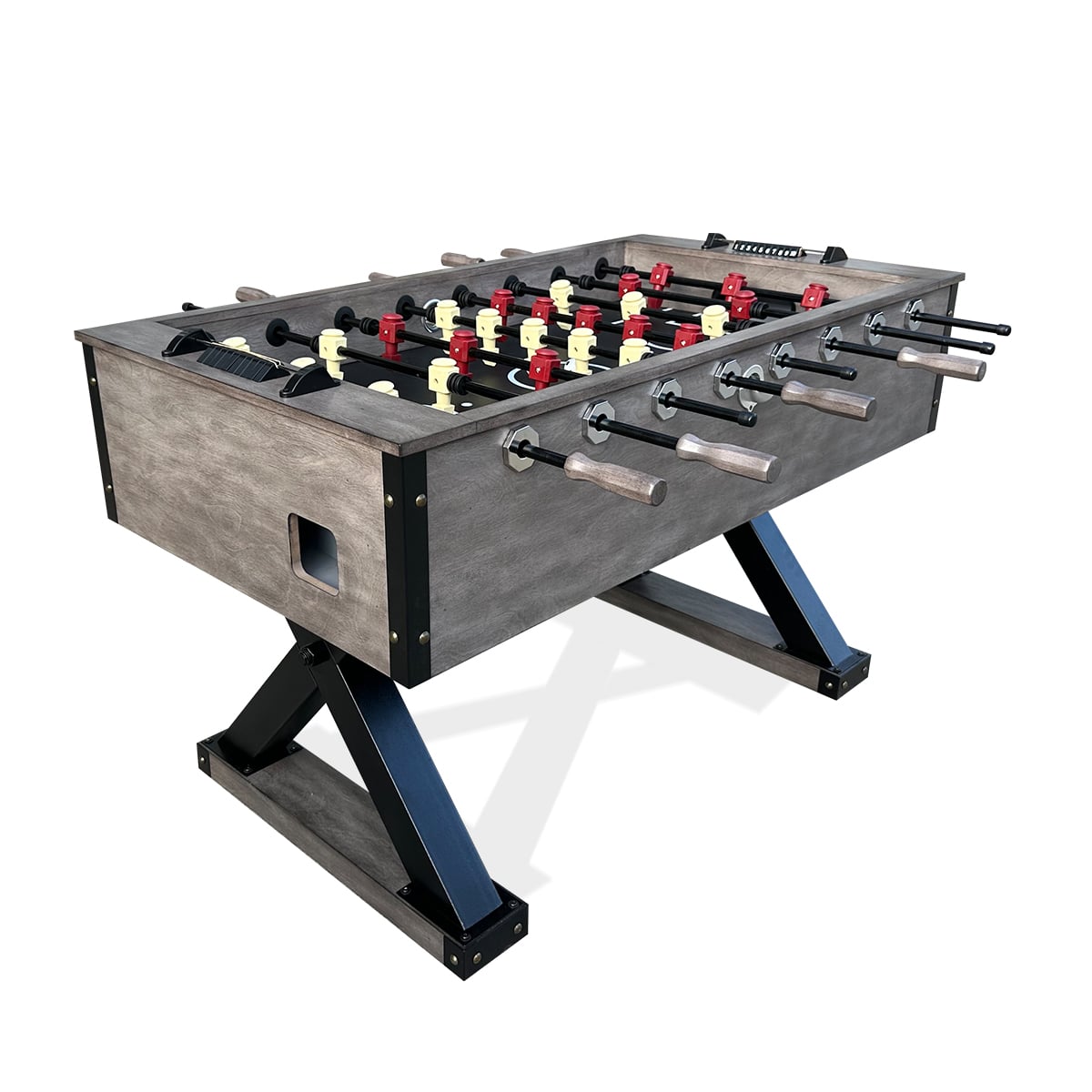
Furniture priced between $400 and $499 often strikes a good balance between what people pay and how well it holds together over time. The secret here lies in using engineered wood materials rather than cheap particleboard. Anyone who's dealt with particleboard knows it drinks up moisture like a sponge, which causes all sorts of problems down the road. Frames warp, parts get out of alignment, and those little metal rods start sticking when they shouldn't. Studies on furniture longevity show that materials like MDF handle humidity much better too, staying stable around 70 something percent longer than regular board stuff. Plus, because these engineered woods are packed tighter together, they actually soak up vibrations from heavy impacts. This means less wear and tear on the connections and hardware throughout the piece, making sure everything keeps working smoothly even after several years of normal living room action.
What sets this tier apart from basic models isn't just about looks either. There are some serious engineering touches missing from budget tables worth mentioning. Take those counterbalanced players for instance. They actually help keep feet planted when making quick passes across the table, so there's no annoying dead spot where the ball just slides right by without control. And let's talk about those chrome plated hollow steel rods too. Weighing in at around 30% less than regular steel makes a world of difference after hours of play. The wrists don't get so tired anymore. Plus, these tables come with reinforcement sleeves right at the bearing points. This stops that annoying wobble effect over time that cheap tables develop, which really messes with shot accuracy. All these little improvements make all the difference between frustrating scrambles and smooth, almost instinctive gameplay without breaking the bank.
When it comes to casual games, laminate table surfaces tend to last longer and hold up better than glass ones overall. Sure, glass makes balls roll faster because of how smooth it is, maybe around 15 to 20 percent quicker some tests say. But here's the catch: glass gets scratched easily and can develop tiny cracks when someone plays too hard or bumps into it accidentally. Most budget tables below $500 come with reinforced laminate tops these days. These have special coatings that resist scratches pretty well, so they keep looking good and working properly for about five to seven years typically. Real world experience shows laminate holds up against those pesky surface marks much better than regular glass alternatives, sometimes three times as long according to manufacturer claims and customer reports alike.
For folks who want to play longer without sore hands, hollow steel rods make much more sense than solid aluminum ones. They cut down on wrist fatigue about 40 percent during those long gaming sessions because they're just lighter overall and feel better when twisting around. Sure, solid metal sticks might give a tiny bit more control, but tests show good quality hollow models priced between $400 to almost $500 stay straight even after spinning them 10 thousand times or so. That's way past what most people actually need at home. When these rods come with those soft rubber handles too, everything becomes easier to grab, more comfortable to hold, and stays consistent from one game to the next. Makes all the difference for families having their weekly board game night or workers taking quick breaks at the office.
Looking at what matters most for home games - stability, how durable the materials are, and whether they're fun to actually play with day to day - these five foosball tables really shine for folks wanting something under $500. What makes our picks special? They've got solid wood frames that don't warp over time, players that balance themselves so controlling the ball feels natural, and table tops made from stuff that doesn't need constant cleaning after every session. These aren't those fancy tournament tables that take forever to set up properly. Instead, each one comes together quickly without tools and plays reliably enough for regular family fun in living rooms, basement hangouts, or office break areas. The best choice has strong steel rods inside that stop the whole table from shaking when someone gets competitive. Other great options come with surfaces that resist scratches, stay steady even when bumped (tested to hold up under pretty heavy weight), and have ball return mechanisms that work consistently through thousands of shots. Casual players who want something that lasts but doesn't require expert maintenance will find real value here based on actual gameplay experience, not just numbers on paper.

If you want to learn more about the game table, you can contact us by leaving a message on the website, sending an email, or calling us, and we will provide you with help.
Qiankou Village, Dongfeng Village committee, Xinxu Town, Huiyang Distric, Huizhou City, Guangdong Province, China.
Copyright © 2025 Huizhou Double Star Sports Goods Co., Ltd. All rights reserved. Privacy Policy
 EN
EN
 AR
AR
 HR
HR
 CS
CS
 DA
DA
 NL
NL
 FI
FI
 FR
FR
 DE
DE
 EL
EL
 IT
IT
 JA
JA
 KO
KO
 NO
NO
 PL
PL
 PT
PT
 RO
RO
 RU
RU
 ES
ES
 SV
SV
 TL
TL
 ID
ID
 UK
UK
 VI
VI
 SQ
SQ
 HU
HU
 TH
TH
 TR
TR
 FA
FA
 MS
MS
 GA
GA
 IS
IS
 KA
KA
 BN
BN
 MN
MN
 NE
NE
 MY
MY
 KK
KK
 UZ
UZ
 Hot News