YOUR BRAND OUR EXPERTISE
SZX CUSTOMIZED SPORTING SOLUTIONS
YOUR BRAND OUR EXPERTISE
SZX CUSTOMIZED SPORTING SOLUTIONS
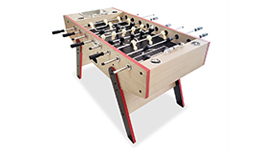
Getting the right size foosball table matters a lot for kids growing up physically. Adjustable tables beat out those fixed height ones because they actually match what little bodies need. The rods and handles sit right where small hands should be when playing, around elbow level. This makes sense for joints too, keeping wrists and shoulders in better positions so movements stay smooth instead of awkward. Kids between 3 and 12 years old benefit especially from this kind of setup since it helps them develop both sides of their body equally and improves how fast they react during games. When there's no stretching or bending over just to play, children use their core muscles naturally as part of the fun. That means more actual exercise while having a good time, rather than struggling against poorly designed equipment all evening long.
Standard height foosball tables put growing kids in all sorts of bad positions for their developing bodies. Think about it: shoulders stay raised, spines twist sideways, wrists get bent back unnaturally. These weird stances build up strain over months and years, making injuries much more likely especially when kids are learning new skills fast. Adjustable tables fix this problem because they can be set to fit each kid's size and stage of growth. When the table adapts to the player instead of forcing them to adjust, it cuts down on those awkward poses. Kids are less prone to getting long term injuries in their hands and backs this way. Plus they can play longer without pain, which actually helps them develop better coordination skills naturally through regular gameplay.
When kids play on a foosball table that fits their size, they're actually working out their growing motor skills through fun, sensory-rich activity. As they follow the ball movement and spin those rods around, their hand-eye coordination gets a real workout. This kind of coordination is super important later on for things like writing legibly, reading smoothly, and even playing sports without tripping over their own feet. When players switch from attacking to defending positions, they need to move each arm separately, which helps build both sides of the brain connection. Plus, keeping steady during fast rod twists works the core muscles deep inside the body, something that makes sitting still in class much easier for longer periods. Studies have found that kids between five and nine years old tend to react quicker after regular sessions at the table, and parents notice these improvements show up in daily activities too.
Playing foosball does a lot more than just keep kids moving around the table. The game actually sets up a framework where rules matter and thinking comes into play alongside the physical action. Kids start picking up on what their opponents might do next, spotting patterns in how people attack, and making quick calls when time is ticking down. This kind of mental workout hits working memory, speeds up processing, and gets those strategy skills going. When turns happen one after another, it's not just about winning but learning how to handle losses gracefully too. Team play really brings out cooperation as players figure out together how to counter each other's tactics. And let's face it, arguing over who scored which goal helps build emotional control. Celebrating victories together strengthens bonds between friends and encourages good behavior toward others. All these elements combine to turn simple fun into something valuable for growing minds and hearts, setting them up better for schoolwork challenges and navigating life outside the classroom walls.
Adjustable foosball tables that go from around 24 inches to 36 inches work great for kids starting in preschool all the way up to those awkward preteen years, while still keeping their posture intact. The best part? No tools needed to adjust height means parents can move things around quickly without dealing with lost screws or tiny parts that might pose a danger. When shopping for these tables, look for ones that meet ASTM F963 standards since this means they've been tested by independent experts for things like pinch points, how stable they stand, and whether they'll last over time. Kids who play on tables built to this standard tend to develop better skills because their elbows stay in a good position during gameplay. Plus, there's less chance of developing soreness or strain from poor form, which makes practice sessions both safer and actually helpful for improving game skills.
Three design elements define true kid-scale usability:
These features work synergistically: narrower rods paired with larger balls cut frustration by over half in independent usability trials (Child Development Institute, 2024). Weighted, low-center-of-gravity bases further enhance safety—preventing tip-overs even during energetic matches.
Selecting the right foosball table hinges on balancing three interdependent priorities: play performance, safety assurance, and long-term adaptability.
Entry-level models prioritize accessibility and fundamental functionality—offering basic height adjustability (24"–30") and simplified controls ideal for younger children. Their lightweight construction supports easy relocation but may require reinforcement for sustained use beyond early elementary years.
Mid-range options strike a thoughtful balance: tool-free height adjustment (26"–34"), rounded corners, non-slip bases, and ASTM F963–compliant materials ensure safe, responsive play through the elementary years. These tables support growing skill complexity without sacrificing developmental safety.
These premium designs offer serious tournament performance thanks to their precision bearings, weighted player pieces, and an impressive height range from 24 inches all the way up to 36 inches. Made with solid hardwood construction and extra strong joints, these tables stay sturdy through different stages of growth and plenty of intense matches over time. The way they're built shows real value for money too. They work great when a little kid plays their very first game at age four, but can also handle the rigors of a big championship battle when that same child turns twelve and comes back for another shot at victory.

If you want to learn more about the game table, you can contact us by leaving a message on the website, sending an email, or calling us, and we will provide you with help.
Qiankou Village, Dongfeng Village committee, Xinxu Town, Huiyang Distric, Huizhou City, Guangdong Province, China.
Copyright © 2025 Huizhou Double Star Sports Goods Co., Ltd. All rights reserved. Privacy Policy
 EN
EN
 AR
AR
 HR
HR
 CS
CS
 DA
DA
 NL
NL
 FI
FI
 FR
FR
 DE
DE
 EL
EL
 IT
IT
 JA
JA
 KO
KO
 NO
NO
 PL
PL
 PT
PT
 RO
RO
 RU
RU
 ES
ES
 SV
SV
 TL
TL
 ID
ID
 UK
UK
 VI
VI
 SQ
SQ
 HU
HU
 TH
TH
 TR
TR
 FA
FA
 MS
MS
 GA
GA
 IS
IS
 KA
KA
 BN
BN
 MN
MN
 NE
NE
 MY
MY
 KK
KK
 UZ
UZ
 Hot News