YOUR BRAND OUR EXPERTISE
SZX CUSTOMIZED SPORTING SOLUTIONS
YOUR BRAND OUR EXPERTISE
SZX CUSTOMIZED SPORTING SOLUTIONS
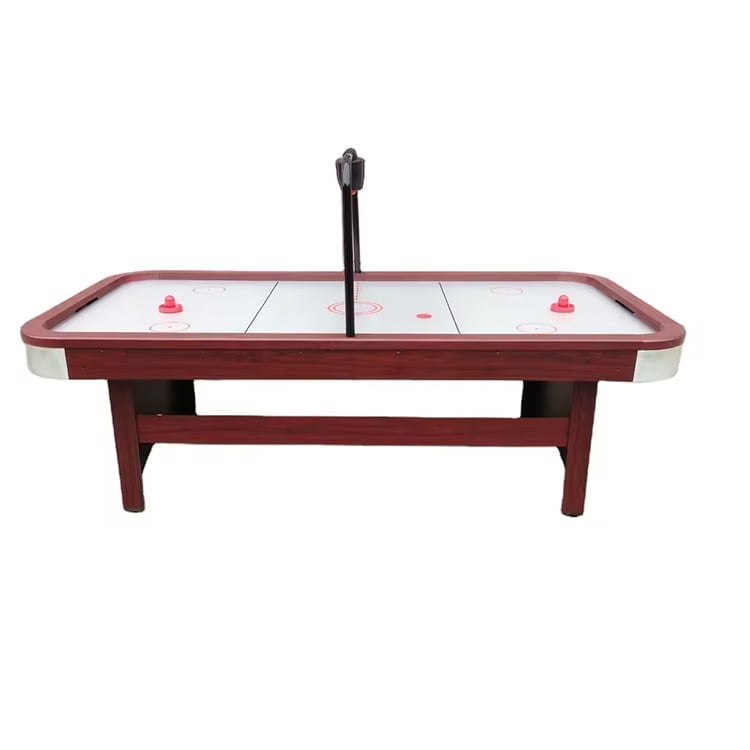
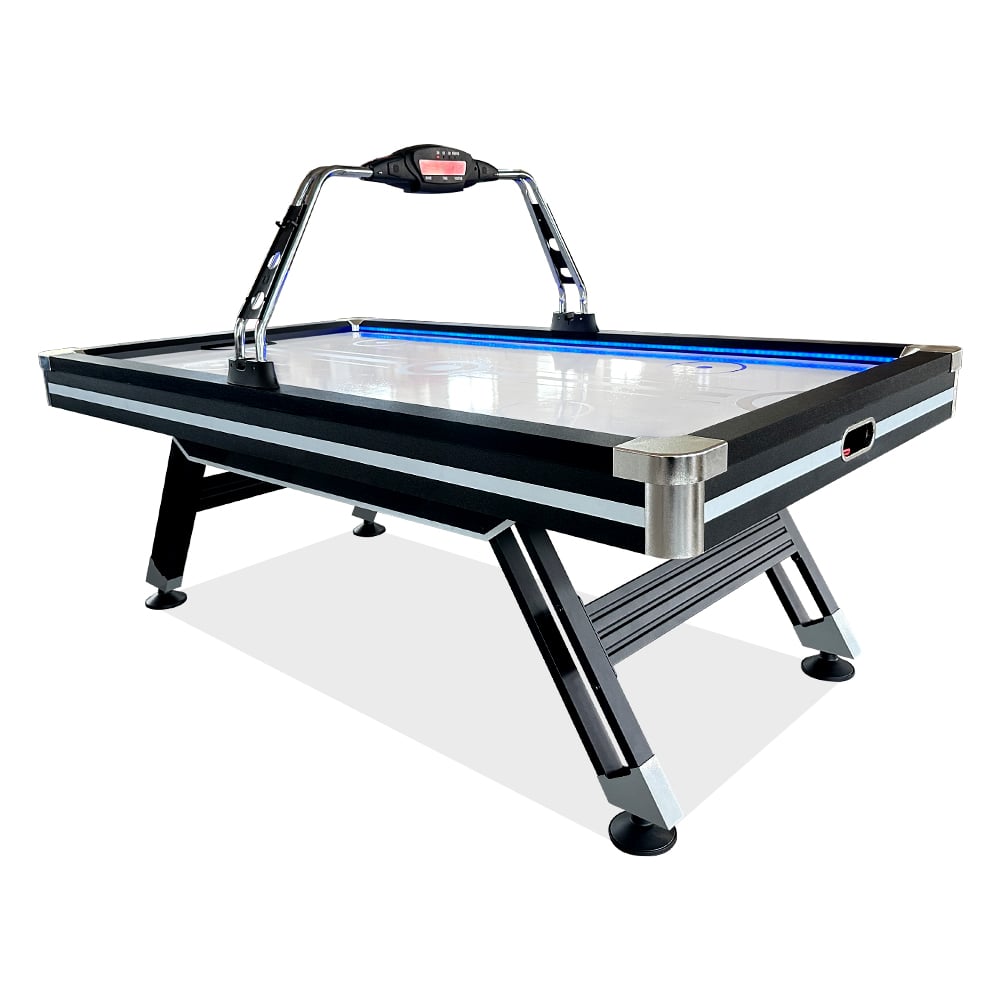
The electric versions of air hockey tables have built-in electronics that run powerful fans usually rated at 100 volts or more. These fans create steady airflow so the puck glides smoothly across the surface. Many of these tables come packed with extra features too like colorful LED lights, fun sound effects when goals are scored, and automatic scorekeeping that takes all the guesswork out of tracking points. On the other hand, traditional manual tables work differently. They depend on basic mechanical systems, either powered by small batteries or old school hand cranks, but they just don’t move as much air. According to research published last year, about two thirds of the manual tables sold for home use actually have motors below 16 volts. That means pucks tend to travel around 12 percent slower compared to those zipping along on electric tables. Most players notice this difference pretty quickly during actual gameplay.
Electric tables need constant electricity, which really limits where they can go and makes things complicated when space is tight. Looking at numbers from the US Energy Data for 2024, these 120V models typically eat up around 0.8 kilowatt hours every hour, costing folks about twelve cents each hour just to run them. Pretty interesting fact actually - almost half (that’s 52% to be exact) of people who own electric tables say they had to move furniture around or change how their rooms look just so those pesky cords would fit somewhere. Manual tables tell a different story though. They don’t care about electrical outlets at all. Just assemble them once and they’re ready for action whenever needed. Much simpler setup process and storage too compared to their plugged-in counterparts.
The average electric air hockey table comes in at around 84 inches long by 48 wide, which makes it about a quarter bigger than regular manual tables. This extra size is because they need stronger frames to hold all those electronics inside. These tables tend to be quite heavy too, so most people end up setting them somewhere permanent rather than moving them around much. On the flip side, when folks care about being able to move their game equipment, manual tables win out. About three quarters of homeowners who value portability go for these lighter options that usually weigh less than 90 pounds. Many of these manual models come with foldable legs, something seen in roughly 40% of what we looked at during research. This feature really helps with storing the table away when not in use, especially great for families with limited space or those who want to convert their living room from gaming area to movie night setup quickly.
Electric tables keep the air moving evenly thanks to their built-in blowers, which makes pucks go about 20% quicker compared to regular tables according to some friction tests we’ve seen. While this steady airflow helps pros with their defense moves, it actually takes away from the feel that new players need when they’re learning how to control the puck properly. With manual tables, there’s always some variation in how the air flows naturally. Players have to constantly tweak their strokes and angles as they play. This kind of real world adjustment ends up training the wrists better and gradually builds up shot accuracy too.
The newer electric versions come loaded with all sorts of bells and whistles like programmable scoring systems, those annoying victory fanfares that blast through the room, and fancy lit-up areas where players stand. Some research from last year found that when games include sounds, beginners tend to stick around 33% longer than usual. But here’s the thing - most serious competitors actually turn off all those extra features so they can concentrate better on their skills. Traditional manual tables are still popular among real pros who want pure, unbroken gameplay without distractions. Tournament players? Around seven out of ten of them swear by the simple look and feel of manual tables for getting into proper practice mode without any flashy interruptions messing with their heads.
Many electric table setups come equipped with sensors that adjust how hard the puck bounces back depending on how forcefully it was struck. This actually helps kids pick up on some basic physics ideas around things like momentum and cause-effect relationships during play. On the flip side, traditional manual tables give completely unpredictable reactions, which feels much closer to what happens when playing outdoors. Studies have found that people who only practice on these old school tables tend to adjust quicker when facing different speeds in actual games by about 28 percent. When looking at households where skill levels vary quite a bit, electric options let parents tweak the challenge level for each player. But manual tables still hold their own advantage too since they keep presenting new challenges naturally as everyone’s abilities grow over time.
Most folks looking for an affordable air hockey table will find themselves eyeing the manual options that start hitting shelves around the $300 mark. The electric ones jump up to about $600 because they pack in all sorts of extra stuff - motors running the puck, digital scoreboards, those fancy lights that flash when someone scores. Even though there’s quite a difference in price tags, people are buying these high end electric models at a rate that’s gone up roughly 35% each year lately. Seems like families want something really engaging for their living rooms these days. But don’t count out the old school manual tables just yet. A lot of folks still grab them because they’re cheaper and just work without all the bells and whistles. Some parents swear by them for family game nights where kids won’t get distracted by blinking lights.
Running electric tables comes with hidden costs that many overlook. They typically eat through around 50 to 100 kilowatt hours each year, costing somewhere between $15 and $30 for power alone. Then there’s the matter of fixing those motors, which tends to run about $100 every couple of years or so. Manual alternatives tell a completely different story though. These old fashioned models don’t drain any electricity at all and generally stay trouble free except maybe needing new pucks or mallets now and then. Industry reports from last year actually show something pretty striking - when looking at total costs including both electricity bills and repair work, electric tables end up roughly 40 percent pricier than their manual counterparts over just five years of operation.
| Factor | Electric Tables | Manual Tables |
|---|---|---|
| Lifespan | 8–12 years (with motor replacements) | 15–20+ years (minimal wear) |
| Engagement Features | Electronic scoring, sound effects, LED lighting | Pure gameplay focus |
| Annual Costs | $45–$130 (energy + maintenance) | $0–$20 (puck/stick replacements) |
Manual tables excel in durability and cost efficiency, making them ideal for long-term family use. Electric models appeal to tech-oriented buyers seeking interactive features despite higher lifetime costs.
Electric tables come equipped with powerful internal fans featuring specially designed blades that cut down on turbulence by around 15 to maybe 20 percent when compared with manual versions according to research from Airflow Efficiency Study back in 2023. The result is better airflow across the surface and smoother movement for pucks during games. On the other hand, manual tables typically have basic fan setups that players need to tweak themselves while playing hockey. These adjustments aren’t always easy mid-game, so performance tends to vary quite a bit especially after long periods of continuous use.
High-quality tables use laminated polymer or low-friction composites, where thickness variations as small as 0.5mm affect responsiveness. Premium electric models incorporate precision-engineered surfaces that retain integrity beyond 10,000 gameplay hours, outperforming standard MDF surfaces in manual tables by a 3:1 margin in durability testing.
The electric tables use infrared sensors that catch goals with near perfect accuracy around 99.9%, which cuts down on arguments about who scored what. But there’s a catch with cheaper models - sometimes the air moving around them gets messed up and causes wrong readings. A study from last year showed that about 12 out of every 100 problems happened because fans were spinning at different speeds. Traditional manual tables don’t have these kinds of headaches since people just watch and confirm scores visually. They work reliably without needing all those fancy tech components that can go wrong.
Electric tables need some maintenance because they have those motors and all sorts of digital components inside. According to something I read last year from a tech journal, around a quarter of motor problems in home game tables happen within just three years of ownership. Most of these issues seem to come down to simple things like dust getting into the mechanisms or sensors going out of alignment somehow. To keep them running smoothly, it’s worth making time to clean those fan vents regularly. And if someone has one of those newer models with smart displays, checking for firmware updates every now and then really makes a difference. These small steps go a long way toward avoiding bigger headaches later on.
Manual tables don’t have all those complicated circuits or moving bits that tend to break down, so they actually fail mechanically about 60 to maybe 75 percent less often than electric ones. They’re built using tough stuff like MDF board or durable polymers, which means they can take a lot of wear and tear without any problems related to electricity. Families who want something that lasts forever will find manual designs really solid. A lot of these tables stick around for ten years plus with hardly any maintenance needed at all.
Consider these factors:
Balancing these elements ensures your purchase meets both entertainment goals and practical household needs.

If you want to learn more about the game table, you can contact us by leaving a message on the website, sending an email, or calling us, and we will provide you with help.
Qiankou Village, Dongfeng Village committee, Xinxu Town, Huiyang Distric, Huizhou City, Guangdong Province, China.
Copyright © 2025 Huizhou Double Star Sports Goods Co., Ltd. All rights reserved. Privacy Policy
 EN
EN
 AR
AR
 HR
HR
 CS
CS
 DA
DA
 NL
NL
 FI
FI
 FR
FR
 DE
DE
 EL
EL
 IT
IT
 JA
JA
 KO
KO
 NO
NO
 PL
PL
 PT
PT
 RO
RO
 RU
RU
 ES
ES
 SV
SV
 TL
TL
 ID
ID
 UK
UK
 VI
VI
 SQ
SQ
 HU
HU
 TH
TH
 TR
TR
 FA
FA
 MS
MS
 GA
GA
 IS
IS
 KA
KA
 BN
BN
 MN
MN
 NE
NE
 MY
MY
 KK
KK
 UZ
UZ
 Hot News