YOUR BRAND OUR EXPERTISE
SZX CUSTOMIZED SPORTING SOLUTIONS
YOUR BRAND OUR EXPERTISE
SZX CUSTOMIZED SPORTING SOLUTIONS
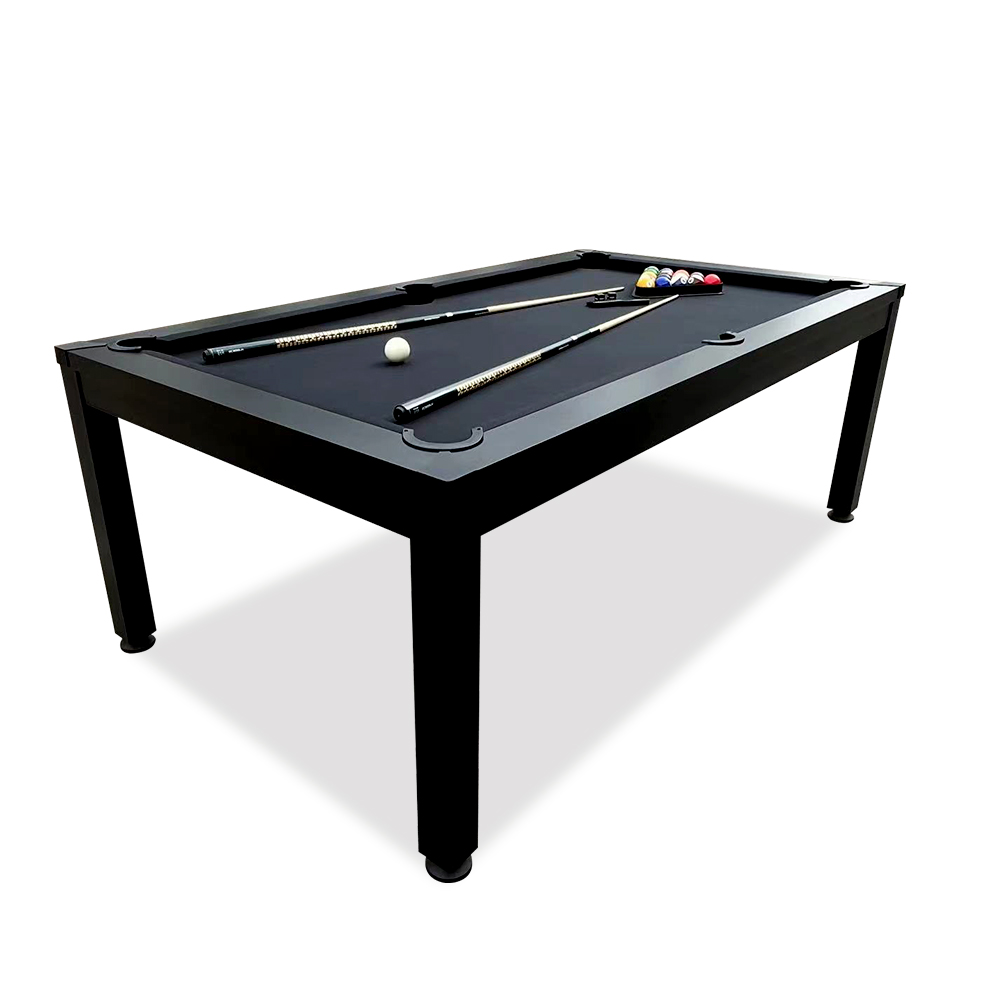
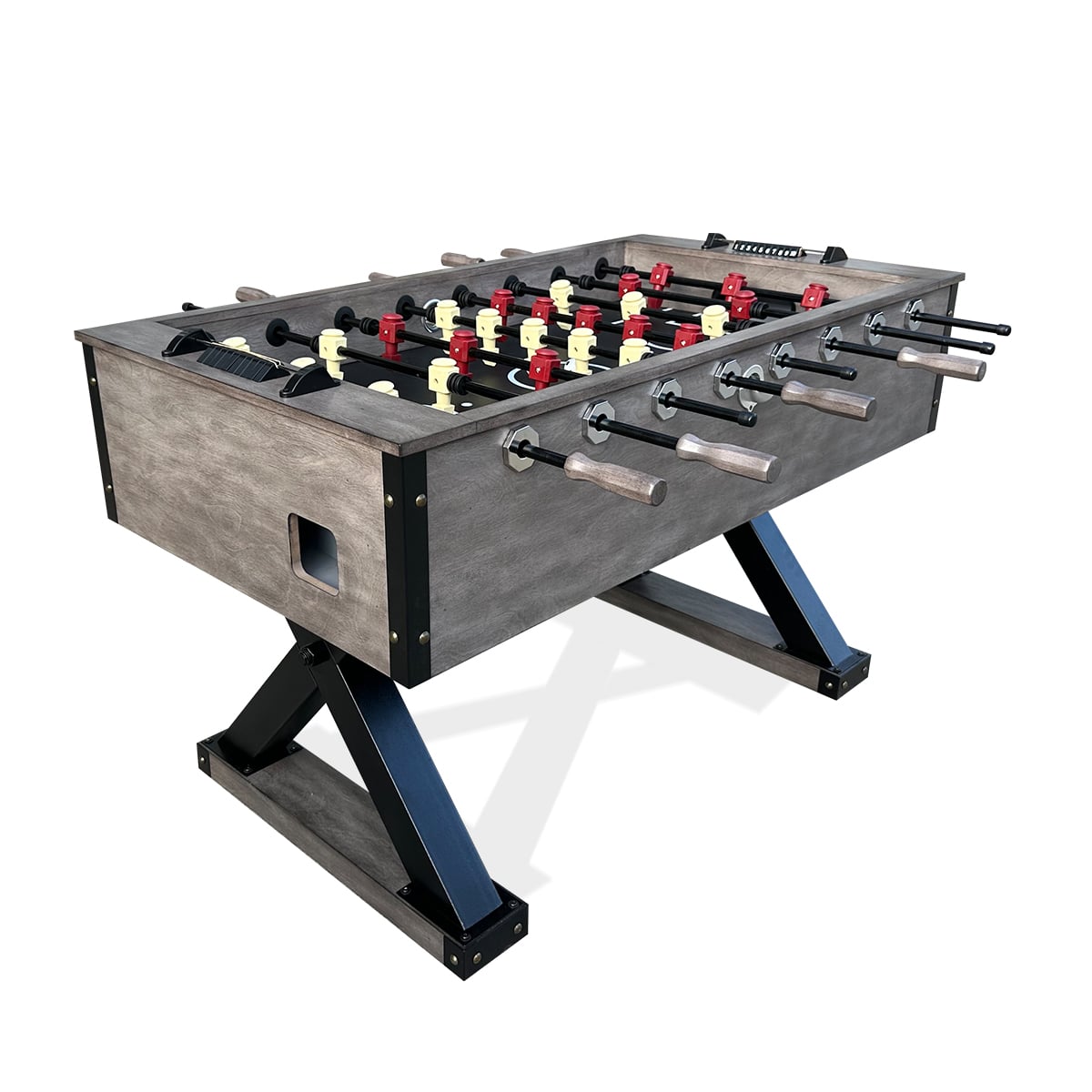
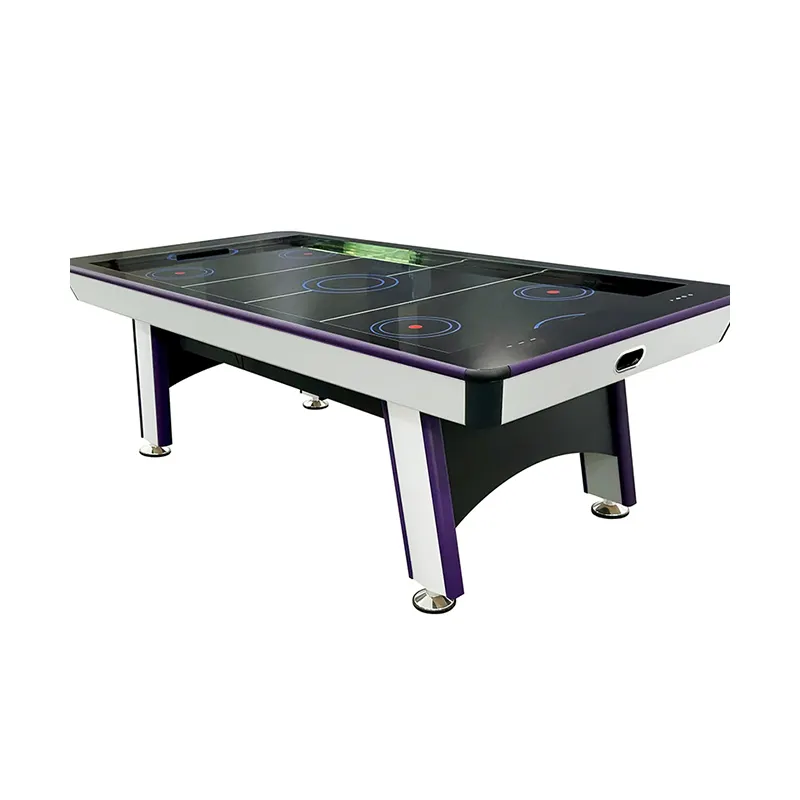
Getting a multigame table usually means spending about 30 to 50 percent less money upfront compared to buying three individual tables like pool, ping pong, and foosball separately. Take a look at the numbers: good quality multigame tables generally cost between $1,500 and $2,500 on average. But if someone wants three separate tables instead, they're probably looking at paying anywhere from $3,000 all the way up to $5,000 total. And then there's delivery to consider too. A single multigame table will only cost somewhere between nothing and maybe $200 to deliver. However, getting three different tables delivered separately can end up costing as much as $600 altogether. The same thing happens with assembly costs by the way. Putting together one big table might run around $50 to $150. But putting together three different tables individually could easily set someone back between $150 and $450. Why does this happen? Well, basically because manufacturers don't need to include extra parts like multiple legs, frames, or surfaces when everything is built into one unit. That makes these combined tables naturally cheaper right from the start.
According to data from the Recreation Equipment Association in 2023, people who own a multigame table save around 35% on overall costs over five years compared to those who maintain three separate tables for different games. Maintenance isn't too bad either. Just need to clean it weekly and replace the felt surface roughly every 18 months. Parts like cues, paddles and air hockey pucks tend to wear out annually, costing about $120 when replacements are needed. These integrated game tables have shared structural components which makes upgrades simpler and avoids buying duplicate hardware for each individual game. The commercial grade frames with those cross braced steel legs really make a difference too. They cut down on breakdowns so much that these combined tables end up with about 22% fewer warranty issues compared to regular single purpose tables.
Putting together three separate gaming areas onto a single multi-game table creates some pretty good cost savings beyond just the obvious ones. The space saved amounts to about 60%, which means operators can save around $1,400 on commercial real estate expenses over five years when looking at standard rental prices in most markets. Insurance costs tend to go down somewhere between 18% and 25% because insurers see fewer risks when there's less equipment spread out across different locations. And electricity bills shrink quite a bit too - roughly 40% less power needed for games that require electrical assistance such as air hockey tables since we're getting rid of those extra motors that were running separately before. Plus, having everything consolidated helps control the environment better. We've seen facilities cut their annual maintenance spending related to humidity issues by about $300 each year simply because there aren't these isolated spots where moisture builds up anymore.
How long a table lasts really depends on how it was built from the ground up. The better ones have thick MDF boards or actual solid wood frames combined with heavy duty steel legs that won't budge when players get competitive. Their playing areas come with special coatings that keep balls rolling smoothly even after years of use and stop them from bending out shape over time. Cheaper alternatives made from flimsy particle board or paper-thin veneer layers tend to start looking beat up pretty quickly too most folks notice signs of damage between 18 to 24 months later. When this happens, replacing just the surface costs around $220 on average according to what manufacturers report across the industry.
| Material Tier | Avg. Lifespan | Common Failure Points |
|---|---|---|
| Premium (MDF/Steel) | 12–15 years | Felt replacement, hinge wear |
| Economy (Particleboard) | 3–5 years | Warped surfaces, leg collapse |
This durability delivers tangible long-term value: a well-built multigame table avoids the $740+ five-year replacement cycle typical of lower-tier units and retains 65% of its original value after a decade–validating the initial investment through sustained, reliable performance.
Game tables that stand alone need quite a bit of room. Take a regular pool table at around 84 inches by 44 inches, while poker tables can be even bigger at up to 96x48 inches. All this space comes at a real price when thinking about what else could go there. Putting aside over 200 square feet for three different games means losing out on other possibilities. That same area might become a flexible living space, extra storage, or something that actually brings in money if it's a commercial setting. Maintenance becomes another headache too. Each table needs its own cleaning schedule, parts get worn out separately, and surfaces wear down differently requiring individual attention. Studies show that making gaming areas work for multiple purposes can improve how well we use our space by somewhere between 60% and 70%. Most people find that investing in one table that does several games pays off pretty quickly, often within just three to five years despite the higher upfront cost.

If you want to learn more about the game table, you can contact us by leaving a message on the website, sending an email, or calling us, and we will provide you with help.
Qiankou Village, Dongfeng Village committee, Xinxu Town, Huiyang Distric, Huizhou City, Guangdong Province, China.
Copyright © 2025 Huizhou Double Star Sports Goods Co., Ltd. All rights reserved. Privacy Policy
 EN
EN
 AR
AR
 HR
HR
 CS
CS
 DA
DA
 NL
NL
 FI
FI
 FR
FR
 DE
DE
 EL
EL
 IT
IT
 JA
JA
 KO
KO
 NO
NO
 PL
PL
 PT
PT
 RO
RO
 RU
RU
 ES
ES
 SV
SV
 TL
TL
 ID
ID
 UK
UK
 VI
VI
 SQ
SQ
 HU
HU
 TH
TH
 TR
TR
 FA
FA
 MS
MS
 GA
GA
 IS
IS
 KA
KA
 BN
BN
 MN
MN
 NE
NE
 MY
MY
 KK
KK
 UZ
UZ
 Hot News