YOUR BRAND OUR EXPERTISE
SZX CUSTOMIZED SPORTING SOLUTIONS
YOUR BRAND OUR EXPERTISE
SZX CUSTOMIZED SPORTING SOLUTIONS
Lightweight pickleball paddles (under 8 oz) reduce swing inertia, enabling 0.2-second faster reaction times in dink rallies. Lower mass also minimizes joint strain—cutting fatigue by 22% during extended sessions compared to paddles over 8.5 oz, per the USAPA Player Survey 2023. This endurance advantage helps beginners sustain precision while developing soft-game fundamentals like dinks, drops, and third-shot resets.
The 7.5–8.0 oz range delivers the optimal convergence of responsiveness, accuracy, and learning-friendly power management for newcomers:
| Weight Range | Maneuverability | Control Rating | Power Overload Risk |
|---|---|---|---|
| <7.5 oz | 5/5 | 3/5 | Low |
| 7.5–8.0 oz | 4.6/5 | 4.8/5 | Minimal |
| >8.3 oz | 3.1/5 | 4.2/5 | High |
Based on beginner skill retention metrics (USAPA Coaching Database 2023)
Paddles in this range deliver 18% greater directional accuracy than heavier models while significantly reducing accidental overshooting—a frequent source of frustration when new players instinctively swing harder. Paired with a 4.25" grip diameter, they support natural wrist alignment and consistent, controllable power transfer.
Widebody paddles (8.25" or wider) expand the effective hitting zone by 22%, as verified in USAPA match analysis. This broader surface area increases the size of the sweet spot, making off-center contact far more forgiving—especially critical during rapid net exchanges where timing is still developing. Beginners build confidence faster in dinks and volleys because minor mis-hits retain direction and depth rather than floating long or dumping into the net.
A twistweight rating above 6.3 significantly reduces paddle rotation on non-central impacts—preventing erratic deflections and preserving shot intention. This metric enhances stability without sacrificing agility: high-twistweight paddles resist twisting 15% more effectively than lightweight alternatives, ensuring reliable directional control when blocking hard drives or reacting to spin-heavy returns. Unlike heavier paddles that compromise maneuverability, this balance supports pace adaptation without arm fatigue.
Polymer honeycomb cores remain the gold standard for beginner paddles due to their engineered vibration damping—measured at a coefficient of 0.78. This absorbs 40% more impact shock than aluminum cores, directly reducing arm fatigue and enhancing tactile feedback for touch shots. Key advantages include:
As highlighted in beginner paddle characteristics guides, polymer offers the most balanced blend of control, comfort, and durability for developing players—some premium models layer carbon fiber over polymer to elevate responsiveness without sacrificing dampening.
Surface material critically shapes how beginners experience ball interaction. Graphite’s high stiffness (8.2 GPa) delivers immediate, predictable response—ideal for building clean stroke mechanics and placement discipline. Fiberglass, while offering higher spin potential (2200 RPM vs. graphite’s 1800 RPM), introduces more surface deformation and directional variance that demands refined wrist control.
| Characteristic | Graphite Surface | Fiberglass Surface |
|---|---|---|
| Stiffness | High (8.2 GPa) | Medium (5.1 GPa) |
| Spin Potential | 1800 RPM | 2200 RPM |
| Control Rating | 9.2/10 | 7.8/10 |
| Vibration Transfer | 18% higher | 32% lower |
For players prioritizing consistency and shot placement over advanced spin manipulation, graphite’s superior control rating and lower variability accelerate foundational skill development.
A 4.0–4.25" grip circumference provides the ideal ergonomic foundation for most new players—allowing secure hand placement without excessive grip pressure. Sports ergonomic studies show this range reduces tendon strain by 22% during repetitive swings, helping maintain proper wrist alignment and minimizing early fatigue. It prevents compensatory wrist deviation on contact, preserves touch sensitivity, and lowers cumulative stress on elbows and shoulders—especially valuable during multi-hour introductory clinics or league play.
This weight range offers a balanced combination of control, maneuverability, and minimal fatigue, making it easier for beginners to improve soft-game fundamentals and maintain consistent precision.
Widebody paddles provide a larger sweet spot, increasing forgiveness on off-center hits and helping players develop confidence during rapid rally exchanges.
Polymer cores offer superior damping, consistent rebound, and acoustic comfort, making them ideal for beginners who need error forgiveness and tactile feedback for touch shots.
Graphite is better for beginners as it offers higher control and consistency, whereas fiberglass is more spin-oriented and requires refined wrist control.
A proper grip size ensures wrist stability, reduces strain in repetitive swings, and minimizes fatigue, ultimately improving comfort and effectiveness during play.

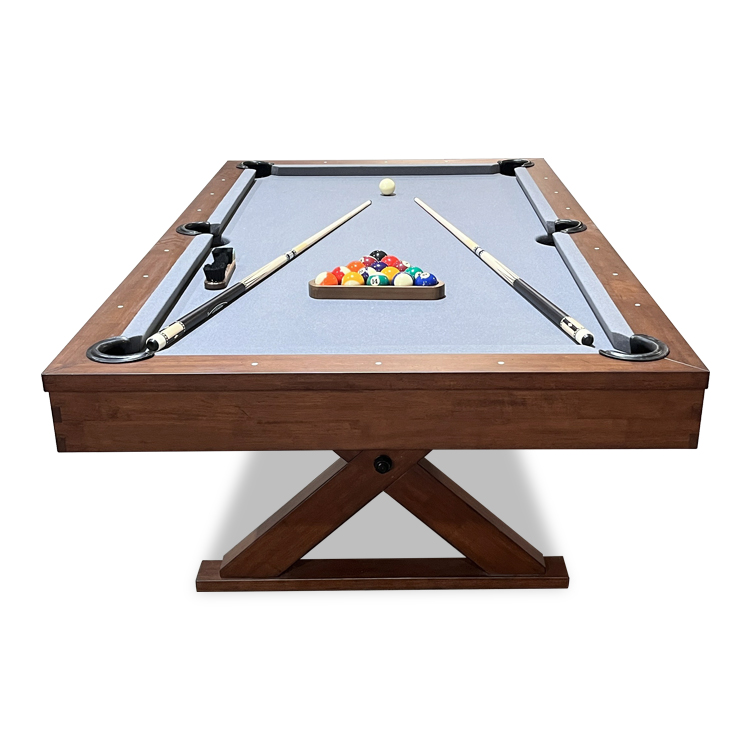
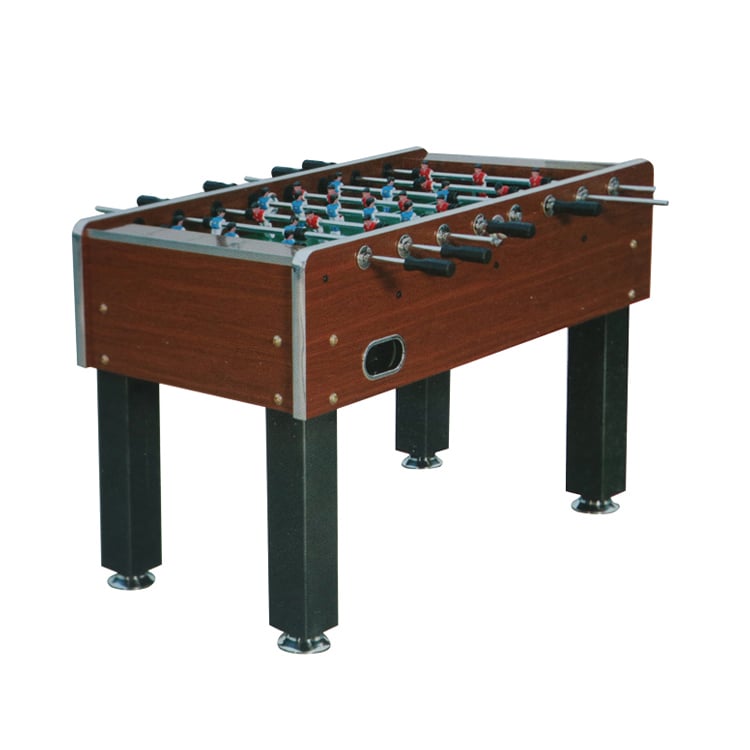
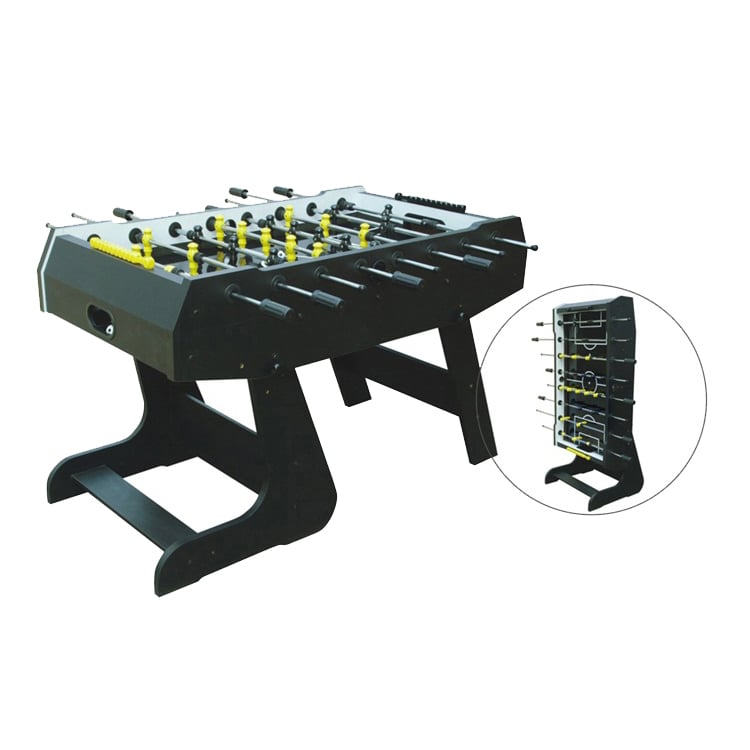
If you want to learn more about the game table, you can contact us by leaving a message on the website, sending an email, or calling us, and we will provide you with help.
Qiankou Village, Dongfeng Village committee, Xinxu Town, Huiyang Distric, Huizhou City, Guangdong Province, China.
Copyright © 2025 Huizhou Double Star Sports Goods Co., Ltd. All rights reserved. Privacy Policy
 EN
EN
 AR
AR
 HR
HR
 CS
CS
 DA
DA
 NL
NL
 FI
FI
 FR
FR
 DE
DE
 EL
EL
 IT
IT
 JA
JA
 KO
KO
 NO
NO
 PL
PL
 PT
PT
 RO
RO
 RU
RU
 ES
ES
 SV
SV
 TL
TL
 ID
ID
 UK
UK
 VI
VI
 SQ
SQ
 HU
HU
 TH
TH
 TR
TR
 FA
FA
 MS
MS
 GA
GA
 IS
IS
 KA
KA
 BN
BN
 MN
MN
 NE
NE
 MY
MY
 KK
KK
 UZ
UZ
 Hot News